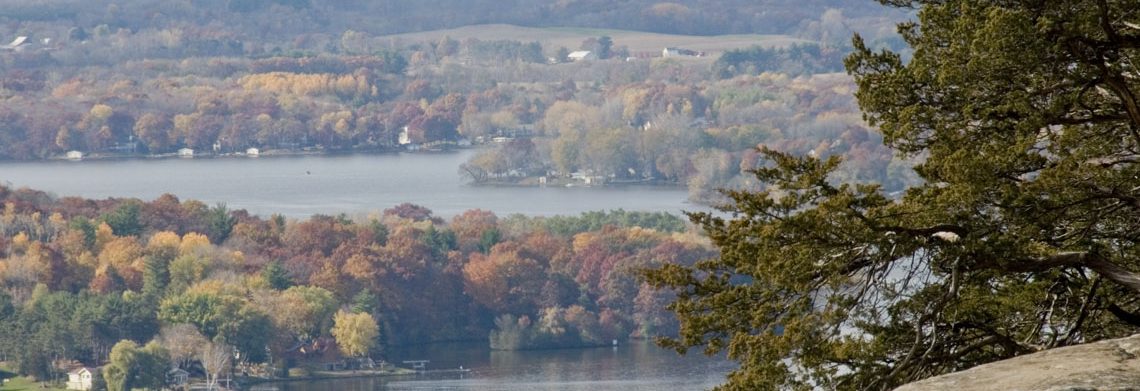
Submerged Marsh
Counties:Bayfield, Buffalo, Columbia, Douglas, Jefferson, Oconto, Oneida, and Vilas |
[wisconsinhtml5map id=”4″] |
Description:
The Wetland Plants and Plant Communities of Minnesota & Wisconsin uses the term Shallow Open Water Communities as a direct corollary to Curtis term Submerged Marsh. According to Eggars & Reed, shallow, open water communities generally have water depths of less than 6.6 feet (2 meters).
Alternative Natural Community Names:
| Cowardin | Palustrine or lacustrine, littoral; aquatic bed, submergent, floating, and floating-leaved |
| Eggers & Reed | Shallow, Open Water |
| Hoffman | Insert Community Here |
| WDNR | Aquatic bed, Submergent Marsh |
| Shaw | Type 5; Inland open fresh water |
| US National Vegetation Classification | CEGL002282 Potamogeton spp. – Ceratophyllum spp. Midwest Aquatic Vegetation |
Typical Plant Species:
[wip_curtiscom_lst_vw filter=”attr::emd_wip_eco_comcurtis::is::submergent-marsh;”]
[wi_plants_curtis_lst_vw filter=”attr::emd_wip_eco_curtiscom::is::submergent-marsh;misc::orderby::is::attr::ent_wip_scientific_name;”]
References:
Curtis, John T. The Vegetation of Wisconsin. University of Wisconsin Press. 1959.
Eggers, Steven D. and Reed, Donald M. Wetland Plants and Plant Communities of Minnesota & Wisconsin, second edition. US Army Core of Engineers. Final Report 1997.
Cowardin, Carter, Golet and LaRoe. Classification of Wetlands and Deepwater Habitats of the United States, second edition. Federal Geographic Data Committee. 1979, 2013.
Hoffman, Randolph M. Wisconsin’s Natural Communities: How to Recognize Them, Where to Find Them, second edition. University of Wisconsin Press. 2002.
Shaw, Samual P, and Fredine, C. Gordon. Wetlands of the United States. 1971.
Wisconsin Department of Natural Resources. Wisconsin Wetland Inventory Classification Guide. 1992.